A Passion with a Purpose:
The Promise of Seafood
A Passion with a Purpose:
The Promise of Seafood
All Posts

Seafood has been my life’s work, my passion, and my purpose. Having spent more than four decades in this industry, I can say that seafood truly runs in my blood. My journey began in 1978 at Chicago’s historic Fulton fish market, where I discovered the fascinating world of seafood. Less than a year and a half later, I joined a frozen seafood importer, Central Seaway, known today as CenSea, and began learning the art and science of running a global seafood trading business.
When my mentor passed away unexpectedly just a few years later, I found myself making pivotal decisions for the company at a young age. Those early lessons shaped my understanding of how dynamic and resilient this industry is.
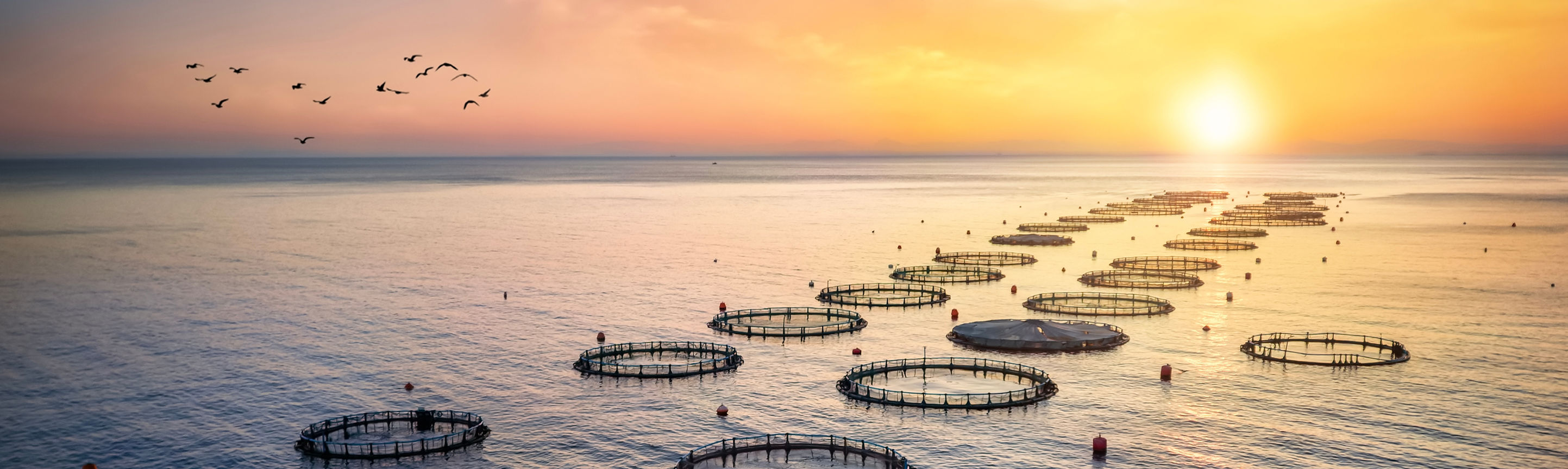
When I started my career, the market was almost entirely dependent on wild-caught seafood. Since then, I have witnessed a massive transformation that includes the rise of aquaculture and innovative sustainable farming practices that have redefined our supply chains. Over the years, I have taken more than 200 trips to production and processing facilities worldwide. I can safely say that I have visited more seafood plants across continents than almost any other buyer in the country.
Yet one challenge continues to persist. Americans simply do not eat enough seafood. Despite its incredible variety, accessibility, and nutritional benefits, the U.S. per capita consumption remains around 20.5 pounds per year, far below that of many European and Asian nations, where people consume more than double that amount.
Seafood is not just delicious. It is a nutritional powerhouse and a vital part of a healthy diet. The Dietary Guidelines for Americans recommend at least two servings per week, yet most households fall short. Seafood is one of the best sources of lean protein and omega-3 fatty acids, essential for heart and brain health. It is available in a wide range of affordable, convenient forms, from premium frozen seafood to freshly caught fish.
The good news is that the tide is turning. With greater education, awareness, and advocacy, more Americans are embracing seafood than ever before. Studies show that over half of U.S. consumers are now eating more seafood than they did two years ago. According to NOAA, about 80 percent of all seafood consumed in the United States is imported. That is where companies like CenSea play a crucial role, bridging global supply chains to ensure that high-quality, traceable, and sustainable seafood reaches American tables.
Still, this is not a solo effort. Building a stronger seafood culture in the United States requires collaboration among government agencies, industry leaders, and innovators who share a common vision. The future of our industry depends on combining tradition with transformation, honoring our roots while embracing technology and innovation.
In this regard, Captain Fresh is leading an exciting evolution. By using advanced technology to vertically integrate procurement, processing, and distribution across species, the company is transforming one of the world’s oldest food industries. Its proprietary tech platforms are setting new standards for traceability, transparency, and sustainability. These elements are essential for long-term industry growth.
The choices we make today will shape the future of seafood, the health of our oceans, and the well-being of communities across the world. By embracing innovation, we can build a more resilient ecosystem that ensures quality, accessibility, and enjoyment for everyone.
For me, this is more than a business. It is a lifelong mission. I want to see seafood become a staple in every household, celebrated for its taste, nutrition, and environmental benefits. Together, we can create a world that values seafood not just as a meal, but as a movement that sustains our people and our planet for generations to come.